Blackout Curtains for Bedrooms and Bright Rooms: Fit, Fabric, and Hanging Notes
Product links are for reference. Verify current details on the retailer page before buying.
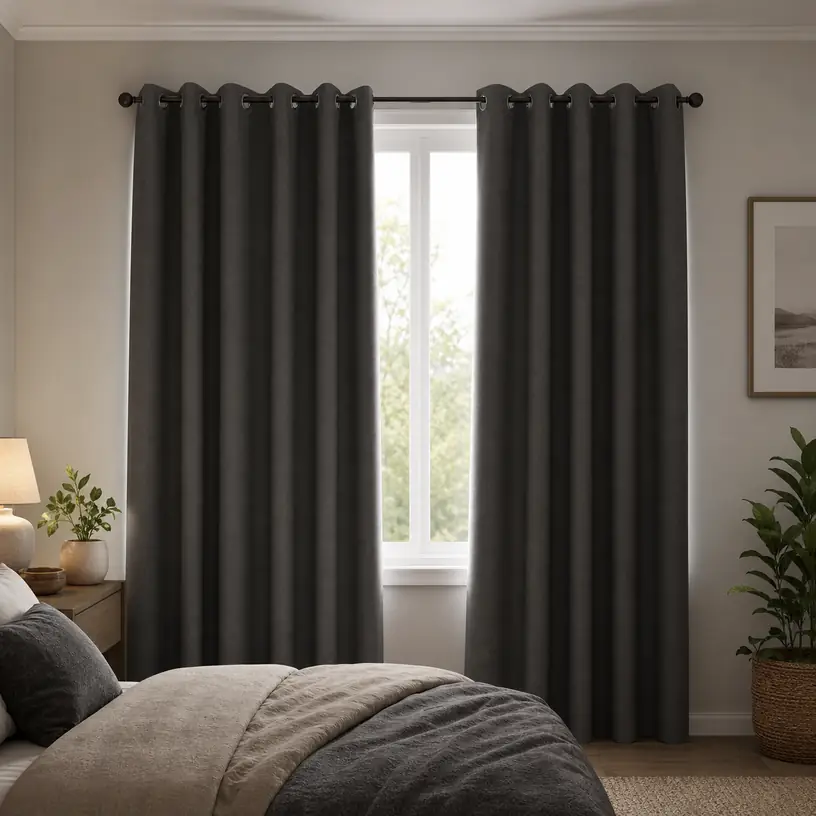
Illustrative image, not an official product photo.
Short answer
Blackout curtains are worth comparing when regular curtains leave a bedroom, nursery, media corner, or street-facing room too bright for the way the space is used. The important choice is not just the color of the fabric. Panel width, header style, lining, window coverage, mounting height, return gaps at the wall, and care instructions all affect how well the curtains control light in a real room.
Search reference
Blackout curtain options
Compare panel dimensions, lining descriptions, hanging style, fabric weight, care instructions, and whether the set includes one panel or a pair before matching curtains to your window.
View matching optionsThink beyond the window glass
A blackout curtain only helps if it covers the places where light enters. Many bright-room problems come from the sides, top, and bottom of the window rather than the glass itself. A panel that looks wide enough in a product photo may still leave a vertical glow line if the rod is mounted too close to the window frame or if the fabric hangs perfectly flat instead of gathering.
Before shopping, measure the window frame, the wall space beside it, and the height from the planned rod position to the floor or sill. Decide whether the curtain should skim the sill, reach below the window, or fall closer to the floor. A bedroom with strong morning sun may benefit from wider panels mounted higher and farther outside the frame, while a small rental room may need a lighter solution that fits an existing rod.
Color is also not the whole story. Dark fabric can look light-blocking, but lining, weave density, and construction wording matter. Some curtains are marketed as room-darkening rather than full blackout. Treat those terms carefully and verify the current listing details before assuming a specific light-control level.
What this product type is
Blackout curtains are window panels designed to reduce incoming light more than standard decorative curtains. They may use dense fabric, a darker lining, a coated backing, layered construction, or a combination of those features. Common uses include bedrooms with early sunlight, nurseries, media rooms, home offices with screen glare, and apartments facing streetlights.
They are not a complete window replacement, and they do not guarantee a pitch-dark room in every installation. Rod placement, wall color, window shape, air vents, blinds, and gaps around the curtain can all affect the final result. For strong light control, the hanging setup is part of the purchase decision.
Who this is for
- People trying to reduce morning sun, streetlight glow, or screen glare in a specific room.
- Renters comparing options that can work with an existing curtain rod or minimal hardware changes.
- Parents setting up a nursery or child’s room where daytime darkness needs to be easier to manage.
- Shift workers or light-sensitive sleepers who want a room setup that blocks more light than thin curtains.
- Media-room, guest-room, or home-office setups where privacy and glare control matter together.
Who should skip it
- Skip fabric panels if the main issue is heat loss, damaged windows, or a gap around the frame that needs repair.
- Avoid heavy curtains if the current rod, brackets, anchors, or wall material cannot support the listed weight.
- Choose shades, blinds, or a different mounting system if there is no wall space for wider curtain coverage.
- Do not assume blackout wording will solve light leakage from skylights, glass doors, transom windows, or open floor plans.
What to verify before buying
- Confirm whether the listing includes one panel or two, then compare total coverage with your measured window width.
- Check panel width, panel length, header style, grommet diameter, rod pocket size, tab design, or hook compatibility.
- Review lining and light-control wording, including whether the curtains are described as blackout, room-darkening, thermal, or privacy focused.
- Measure wall space around the frame so panels can overlap the window instead of stopping exactly at the edge.
- Verify fabric care instructions, wrinkle handling, and whether steaming, ironing, or machine washing is allowed.
- Check weight and mounting requirements, especially for drywall, plaster, wide windows, or rental restrictions.
- Compare color options under your room lighting, since dark, light, matte, and shiny fabrics can look different once installed.
Main buying notes
Panel fullness is one of the easiest details to miss. Curtains need extra width so they can hang with folds while still covering the glass. If the panels are barely as wide as the frame, they may look stretched and leave gaps when closed. Many buyers should think in terms of total panel width rather than the width of one panel shown in a photo.
Header style changes both fit and light leakage. Grommet panels slide easily and have a casual look, but the rings can create small openings near the top. Rod-pocket curtains may sit closer to the rod, though they can be harder to move smoothly. Back-tab or hook-compatible styles can look cleaner, but they need the right rod, rings, or track system. Match the header to the hardware you already have unless you are ready to change the mounting setup.
Length affects the room as well as the light. Floor-length panels can feel more finished and may reduce bottom glow, but they can collect dust, interfere with vents, or brush against baseboard heaters if the room has them. Sill-length curtains may be better above a desk, radiator, toy storage, or pet bed, though they may leave more light around the lower edge. Measure the real obstacle zone before choosing a length.
Light gaps are often fixed by placement rather than by buying the thickest fabric. Mounting the rod higher, extending it several inches beyond the frame, and using enough width can reduce side and top leaks. For rooms that need stronger darkness, compare wraparound rods, curtain tracks, blinds behind the curtains, or layered window treatments instead of relying on panels alone.
Care matters because curtains are large textile items. A panel that is hard to clean may not be ideal near pets, children’s rooms, dusty windows, or kitchen-adjacent spaces. If the listing mentions coating, lining, or special backing, read the care instructions before washing or steaming.
Limitations
- Search results change, so panel count, dimensions, fabric details, included hardware, and care instructions must be checked on the current retailer page.
- Blackout curtains may still leak light around the top, sides, bottom, or center split if the mounting setup leaves gaps.
- Heavier panels can require stronger rods, brackets, wall anchors, or more careful installation than thin decorative curtains.
- Thermal, noise-reducing, and energy-related wording varies by product and should not be assumed without current listing support.
- Fabric color may look different online, especially in rooms with warm bulbs, cool daylight, or painted walls that reflect color.
Alternatives to compare
- Cellular shades when the window needs a cleaner inside-frame treatment and the frame depth supports it.
- Roller shades for a simple flat look, especially in offices, apartments, or rooms with narrow wall clearance.
- Blackout liner panels if you already like your decorative curtains but need more light control.
- Wraparound curtain rods or ceiling tracks when side gaps are the main issue.
- Blinds plus curtains for layered privacy, glare reduction, and more flexible daytime control.
FAQ
How wide should blackout curtains be?
Start with the window width, then allow extra fabric so the panels can overlap the frame and still hang with folds. Also measure wall space beside the window, because wider coverage can reduce side light leaks.
Are blackout curtains the same as room-darkening curtains?
Not always. Product wording varies, and some room-darkening curtains may reduce light without aiming for the same level of blocking as blackout curtains. Check the current listing description and images before buying.
Do I need a special curtain rod for blackout curtains?
Not always, but the rod and brackets should support the panel weight and fit the header style. A wraparound rod may help if light is leaking at the sides, while an existing straight rod may be fine for lighter room-darkening needs.
Should blackout curtains touch the floor?
Floor-length panels can reduce bottom glow and look more finished, but they are not always practical near vents, heaters, desks, pets, or dust-prone floors. Choose length based on the room layout and the listed panel dimensions.
Can renters use blackout curtains?
Renters can often use blackout curtains if an existing rod is already installed or if removable hardware is allowed. Check lease rules, wall material, panel weight, and hardware requirements before adding new brackets or anchors.