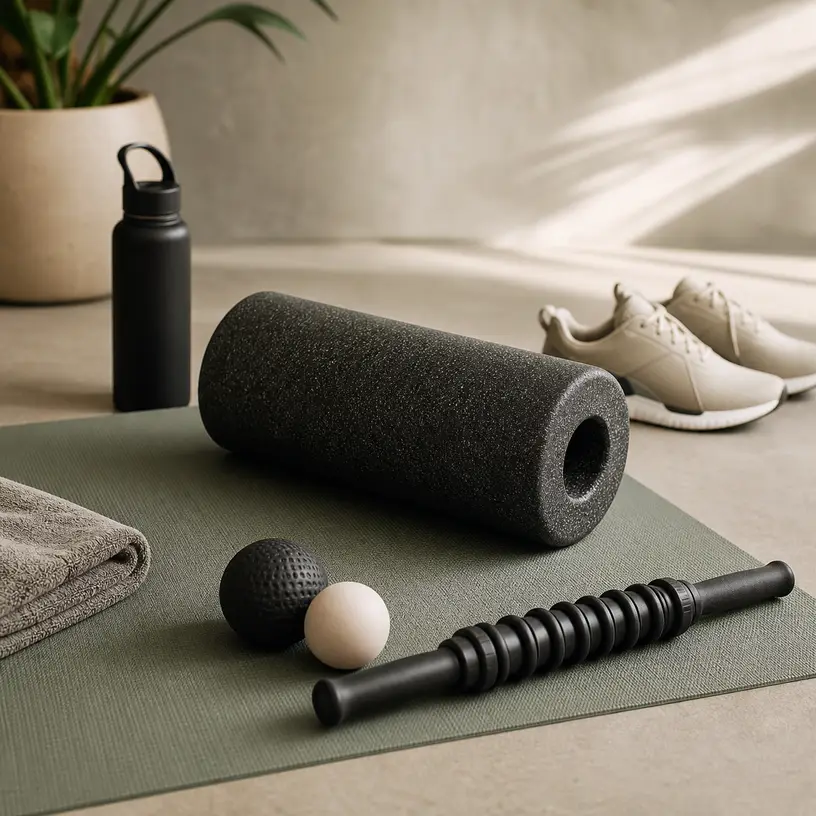
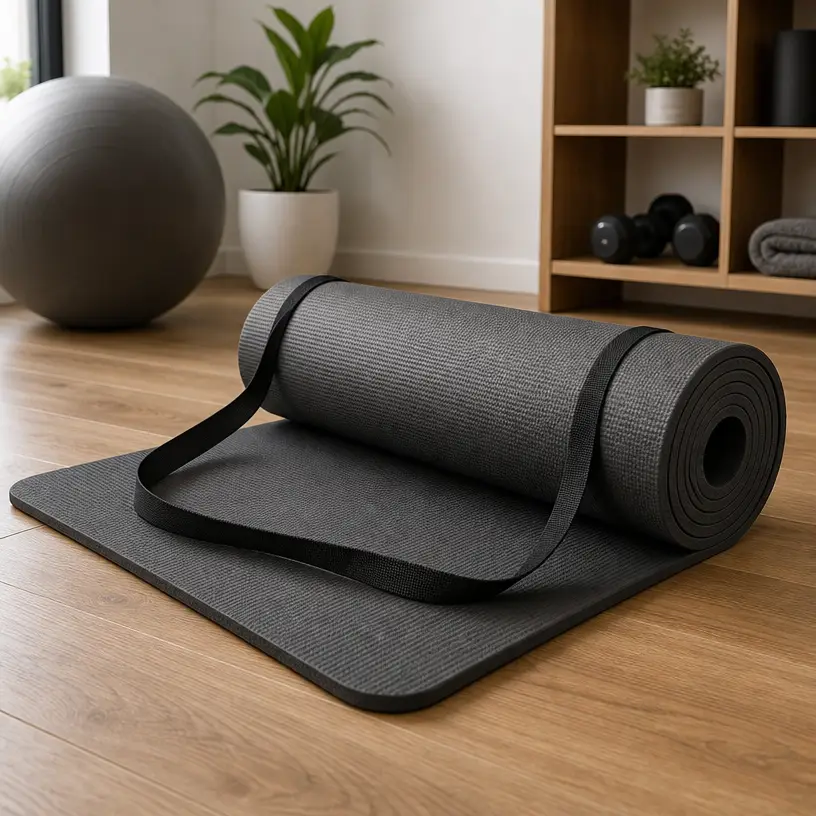
Choosing a Bike Floor Pump for Home Tire Checks and Pre-Ride Top-Ups

Product links are for reference. Verify current details on the retailer page before buying.
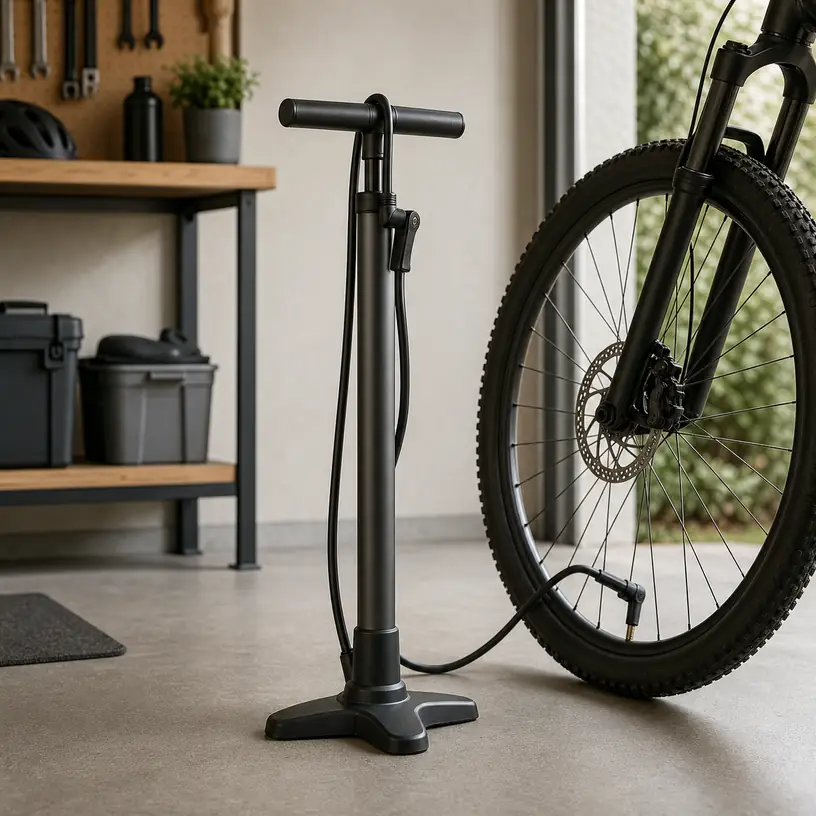
Illustrative image of a generic bike floor pump beside a bicycle wheel

Illustrative image, not an official product photo.

Short answer

A useful bike floor pump should match the valves and working pressures of the bicycles you maintain, remain steady underfoot, and put its gauge where you can read it while pumping. For a household with different bikes, a well-explained dual-valve head and a broad, legible gauge are often more practical than chasing the highest advertised pressure. Also compare hose reach, replacement-part availability, and how the head releases from the valve without an awkward tug.

Search reference

Bike floor pump options

See the current range, then compare valve-head design, gauge placement, hose reach, and working pressure against the bicycles in your household.

View matching options

Start with the bikes, not the pump’s maximum number

A floor pump turns a routine pressure check into a standing task with a larger barrel and base than a portable frame pump. It makes sense for a garage, apartment entryway, workshop, or team equipment area where portability matters less than repeatable inflation. The important specifications come from the tires in that space: their valve types, recommended pressure ranges, and air volume.

Read the pressure information on each tire or follow the bicycle and tire maker’s current guidance. A narrow road tire, wide mountain-bike tire, children’s bike tire, and commuter tire do not necessarily need the same balance of pressure and air volume. A pump’s very high maximum rating does not by itself make it faster, more accurate, or easier to use at ordinary pressures.

Who this is for

  • Riders who want an easier way to check and adjust tire pressure before leaving home.
  • Households maintaining bikes with a mix of Presta and Schrader valves.
  • Commuters who prefer to keep a larger pump at home and a compact backup on the bike.
  • Recreational cyclists who want a gauge rather than estimating pressure by squeezing a tire.
  • People replacing a basic pump whose short hose, unstable base, or vague gauge has become frustrating.

Who should skip it

  • A floor pump is inconvenient as an on-bike solution; carry a suitable mini pump or other trail-side inflator instead.
  • Riders who only have storage inside a small saddle bag will need a more compact format.
  • A conventional floor pump may not provide the sudden air volume required to seat every tubeless tire. Check the tire and rim setup, and compare purpose-built inflators if that is the main job.
  • Someone who cannot comfortably brace a base and operate a long handle may prefer another inflation method that fits their mobility and setup.

What to verify before buying

  • Valve compatibility: Identify whether each bike uses Presta, Schrader, another valve, or a removable adapter. Check exactly how the pump head changes between supported types.
  • Useful pressure range: Compare the gauge scale and pump specifications with the pressures your tires actually use, not simply the largest number printed on the listing.
  • Gauge readability: Look at scale spacing, units, contrast, needle size or display size, and whether the gauge can be read from your normal pumping position.
  • Hose reach: Confirm that the hose reaches a valve comfortably when a bike is in a repair stand, leaning against a wall, or positioned with the valve near the top of the wheel.
  • Head attachment: Review whether the chuck uses a lever, threaded connection, or another mechanism, and how it is removed after inflation.
  • Base and handle: Compare base width, usable foot area, handle shape, and the pump’s overall height with your available storage and comfortable posture.
  • Service parts: See whether the maker currently documents replacement heads, seals, hoses, or gauge service if long-term repairability matters.

Valve heads deserve a closer look

Presta valves are narrow and usually have a small threaded tip that must be opened before inflation. Schrader valves resemble those commonly used on car tires. Some pump heads provide separate openings; others use one opening with an internal mechanism intended to adapt to both. Neither approach is automatically better. Clear labeling, a secure connection, and a release that does not bend the valve are more important than a clever-sounding mechanism.

Think about the least experienced person who will use the pump. Two clearly marked ports may reduce guesswork in a shared household. A single adaptive head may reduce steps, but only if its operating instructions are unambiguous. If a valve sits deep between spokes or on a small wheel, check the chuck’s size and the space its locking lever needs.

A tight seal helps prevent wasted strokes, yet the head should not require excessive sideways force. When possible, stabilize the wheel and pull the chuck straight off after use. Confirm the current instructions rather than assuming every lever points in the same direction when locked.

Match the gauge to your normal range

Gauge location affects daily usability. A gauge near the base can keep the pump’s center of gravity low, though small markings may be difficult to read from standing height. A higher gauge can be easier to see, but placement alone does not guarantee a clear scale. Product photos should show both the units and the increments between labeled values.

The portion of the scale you use matters more than its impressive upper limit. If your tires run at comparatively low pressure, a broad high-pressure scale may compress your useful range into a small arc. Riders who make fine pressure adjustments should look for readable increments around their real target range and should verify any stated accuracy information on the current product page.

Treat the built-in gauge as a setup tool, not a reason to ignore tire guidance. Never exceed the applicable limits for the tire, rim, tube, and bicycle system. If pressure precision is especially important to your routine, compare the pump reading with a compatible standalone gauge and follow the equipment makers’ instructions.

Air volume, stroke effort, and pump height

A larger barrel can move more air per stroke, which is helpful for high-volume tires, but pressure can become harder to build as resistance rises. Slimmer high-pressure designs may take more strokes to fill a wide tire. Because construction varies, do not infer exact performance from barrel appearance alone; look for an explicit description of the intended bike types.

Pump height changes posture and storage needs. A tall pump can offer a long stroke, while an overly tall or short model may feel awkward for a particular user. Compare the stated dimensions with the person who will operate it and with the shelf, closet, or wall space where it will live. A hose clip and a secure place for the head can prevent loose parts from catching when the pump is moved.

Stability and small usability details

A broad base is useful only when feet can brace it without slipping off the edges. Note the base material, footprint, and shape, then consider the floor where you normally work. Smooth garage coatings, uneven paving, and cramped indoor corners create different stability problems. The hose should leave the barrel in a direction that does not constantly pull the pump toward the wheel.

Handle width and edge shape become noticeable during repeated strokes. People with larger hands may find a narrow grip crowded; other users may prefer a smaller handle that is easy to wrap their fingers around. Product dimensions are more useful here than adjectives such as “ergonomic.”

Also inspect how the pump is stored. A model that fits beside a workbench may be annoying in a coat closet if its hose and head hang loose. If wall storage is planned, verify whether a bracket is included or available and whether hanging the pump is permitted by its instructions.

Limitations

  • Built-in gauge readings and stated accuracy can vary; check current specifications and use an appropriate reference gauge when needed.
  • One dual-valve head may fit the common bikes in a household without fitting every uncommon valve or tight wheel layout.
  • Large maximum-pressure figures do not establish pumping speed, low-range resolution, stability, or durability.
  • A standard floor pump is meant to stay at home and cannot replace a portable roadside inflation plan.
  • Seating a tubeless tire can require equipment and procedures beyond ordinary pressure top-ups.
  • Seals, hoses, chucks, and gauges are wear components, and replacement availability differs by manufacturer.

Alternatives to compare

A mini pump travels more easily and is useful for roadside repairs, although its shorter barrel generally means more strokes. A frame pump can offer more leverage than a very small pump if it fits the bicycle and mounting plan. A foot-operated pump changes the body movement but still needs confirmed valve and pressure compatibility. For tubeless setup, a reservoir-style floor pump or dedicated inflator may deliver air differently; follow the tire, rim, and inflator instructions. A standalone pressure gauge is also worth comparing when measurement is the priority and inflation is already covered.

FAQ

Do I need a bike floor pump that fits both Presta and Schrader valves?

Only if those valves appear on bikes you maintain or you want flexibility for future bikes. Check each wheel first, then confirm whether the pump uses separate ports, an adjustable insert, or an adaptive head and how that mechanism operates.

Is a higher maximum pressure better for a bike floor pump?

Not necessarily. The pump must safely cover your tires’ recommended working range, but gauge resolution, stroke effort, air volume, stability, and valve fit can matter more than unused pressure capacity.

Where should the pressure gauge be on a bike floor pump?

Choose the position you can read without interrupting your normal pumping posture. A higher gauge may be easier to see, while a base-mounted gauge can still work well when its face, contrast, units, and increments are large enough.

Can a regular bike floor pump seat a tubeless tire?

Some combinations may inflate, but seating a tubeless bead can require a rapid burst of air that an ordinary pump may not deliver. Follow the tire and rim makers’ setup instructions and compare a reservoir-style pump or suitable inflator when needed.

What hose length should I look for on a bike floor pump?

The hose should reach the valve without pulling the pump off balance in your usual setup. Measure for bikes on the floor as well as any repair stand you use, and allow room to connect and release the head straight rather than bending the valve.
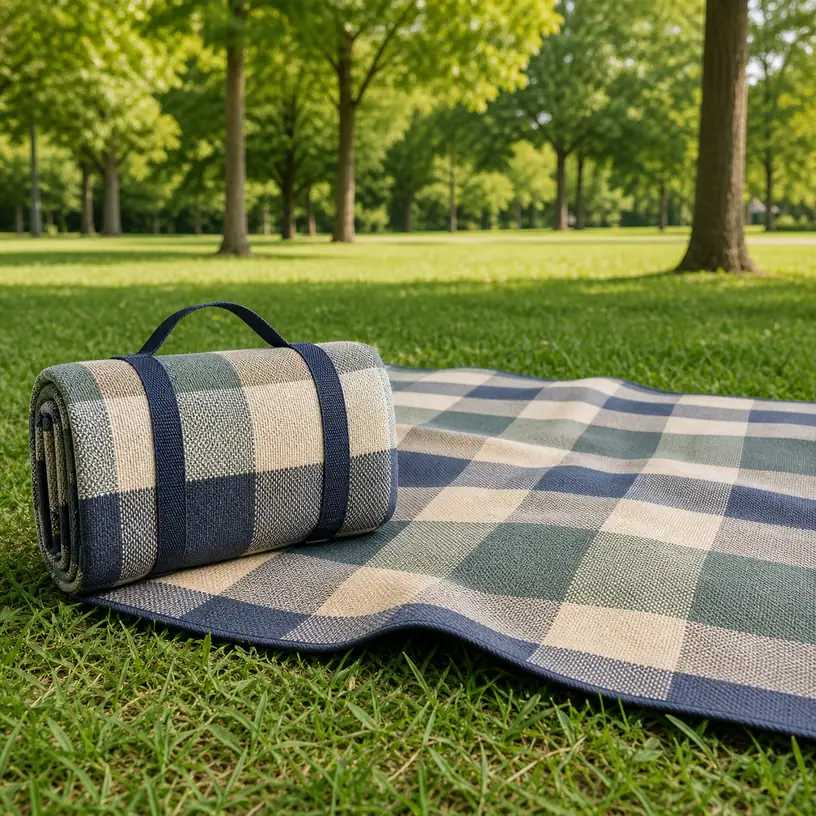
Choosing a Picnic Blanket for Parks, Beaches, and Day Trips

Product links are for reference. Verify current details on the retailer page before buying.

Illustrative image for a picnic blanket buying guide

Illustrative image, not an official product photo.

Short answer

A useful picnic blanket is large enough for the people and bags joining the outing, yet compact enough that someone will actually carry it from the parking lot or transit stop. Compare the open dimensions with a floor outline at home, then check packed dimensions, weight, surface texture, ground-facing layer, folding method, and cleaning instructions. For damp grass, the backing and edge construction deserve more attention than a broad “outdoor” label; for beaches, shake-off cleaning and wind control may matter more than padding.

Search reference

Picnic blanket options

Compare open and packed measurements, listed weight, layer construction, care instructions, carry straps, and any corner loops for the places you visit most often.

View matching options

Plan around one real outing

Picture the blanket after lunch, not just when it is neatly folded for a listing photo. It may need to hold two seated adults, a child moving between spots, a cooler that should stay level, and shoes kept off the eating area. At the end of the day it may be covered with crumbs, dry grass, or sand and need to fit beside everything else in the trunk.

That sequence reveals the most useful buying criteria. A neighborhood park blanket can prioritize a comfortable top and quick folding. A beach blanket benefits from low bulk, simple shake-off cleaning, and a practical way to keep the corners down. A blanket carried on a train needs a dependable handle and dimensions that work with the rest of the load. Start with the repeated trip rather than buying the largest option by default.

Who this is for

  • Households that want a defined sitting and serving area for park lunches, outdoor concerts, or backyard breaks.
  • Couples or small groups looking for a blanket that can share trunk space with a cooler, folding chairs, and games.
  • Beach visitors who want a portable surface and are prepared to compare sand cleanup and anchoring details.
  • Parents who need room for snacks, toys, and changing seating positions without putting every item directly on the ground.
  • Day-trippers who value an integrated handle, shoulder strap, or compact bundle for the walk from transit or parking.

Who should skip it

  • Choose individual sit pads when each person carries their own gear and a large shared surface would be unnecessary.
  • Consider a tarp beneath a separate washable blanket when the ground is consistently rough, muddy, or very damp.
  • Use a purpose-built sleeping pad for overnight insulation; a casual picnic blanket is not a substitute for camping sleep equipment.
  • Bring folding chairs if getting down to ground level or standing back up is uncomfortable.
  • Skip padded designs if the blanket must pack into a small daypack and softness is less important than low bulk.

What to verify before buying

  • Compare open length and width, not only capacity phrases such as “family size,” which are not standardized.
  • Check packed length, thickness, listed weight, handle placement, and whether a shoulder strap is included or removable.
  • Review the stated materials for the sitting surface, inner padding, ground-facing layer, binding, and closures.
  • Read moisture-resistance wording carefully and determine whether it refers to the backing, the entire blanket, or only light contact with damp ground.
  • Confirm the cleaning method. Spot-clean-only, machine-washable, and wipe-clean designs create different routines after spills or muddy use.
  • Look at the folding sequence and closure type; a generous blanket can become frustrating if it must be aligned precisely before the flap reaches its fastener.
  • For exposed lawns or beaches, check for corner loops, pockets, stakes, or another stated stability feature, and confirm what accessories are included.
  • Verify current care guidance, seller details, return policy, and any warnings before ordering.

Size the surface, then the bundle

Open dimensions are more useful than person counts

Capacity labels assume a seating arrangement that may not match yours. Four adults sitting cross-legged need a different layout than two adults reclining beside a cooler. Use painter’s tape, a sheet, or measured string to mark the advertised dimensions on the floor. Place a few representative bags or cushions inside the outline. This quick test shows whether the usable area leaves enough elbow room and whether food containers would sit safely away from the edge.

The shape matters too. A long rectangle can suit two people reclining side by side, while a more square layout may work better when several people face a shared center. Check whether the listed measurement includes fringe, handles, or narrow edge sections that do not provide the same sitting area as the main panel.

Packed size affects whether the blanket comes along

Large blankets often fold into a tote-like bundle, roll into a cylinder, or close around themselves with a flap. None of these is universally better. A flat bundle can stack against the side of a trunk, while a roll may attach more easily to other gear. Measure the shelf, basket, car compartment, or bag where it will be stored between outings.

Weight becomes noticeable when the route includes a long walk. Padding, thick fabric, and multi-layer construction can improve comfort but also increase the carrying load and drying time. Include the cooler and other gear in that decision rather than evaluating the blanket alone.

Match construction to the ground

A picnic blanket may combine a soft top, a thin padded middle, and a coated or synthetic backing. Other models use a single lightweight layer. The layered version may feel more forgiving over short grass, but it usually packs larger. A thin beach-oriented sheet can be easier to shake and carry but does little to soften roots, gravel, or uneven soil.

Ground-facing material is especially relevant on grass that remains damp after irrigation or morning dew. Look for specific current wording about the backing and seams. A moisture-resistant bottom can reduce transfer from below, but it does not guarantee that liquid cannot enter through edges, stitching, top fabric, or prolonged contact. Avoid treating “water-resistant” and “waterproof” as interchangeable promises.

Dark backings may show less soil, while light sitting surfaces can make crumbs and insects easier to notice. Printed tops can hide small marks but may complicate spot cleaning if the care instructions restrict detergents or brushing. These are practical tradeoffs rather than quality rankings.

Think through cleanup before the first spill

Outdoor meals produce a mix of dry debris and stains. Grass and sand are often easiest to shake or brush away before the blanket enters the car. Sticky drinks and oily foods require the listed cleaning method. If machine washing matters, verify both the washing and drying instructions and make sure the folded blanket fits the capacity limits of the appliance you intend to use.

A wipe-clean backing does not necessarily mean the top is equally easy to clean. Likewise, a soft woven surface may hold dry grass or sand more readily than a smooth one. For frequent family lunches, straightforward care can be more valuable than decorative fringe or extra cushioning.

Let the blanket dry fully before closing it into a tight bundle. Pay attention to folded seams and padded areas that may retain moisture. Follow the maker’s guidance rather than leaving a damp blanket sealed in a vehicle or storage bin.

Folding, carrying, and staying put

An integrated carrying flap is convenient only when it is intuitive to use. Product photos sometimes show the finished package without making the folding sequence clear. Look for diagrams, fastening details, and packed measurements. Hook-and-loop closures tolerate some variation in the bundle, whereas zippers and fixed buckles may demand more accurate folding. Loose straps can be versatile but may dangle or collect dirt during use.

Wind changes the beach and open-lawn experience. A large lightweight sheet can lift while people are arranging it. Some designs provide corner pockets that can be filled with sand, loops intended for suitable anchors, or included stakes. Confirm the actual feature and included parts instead of assuming every beach-labeled blanket has them. Stakes also require appropriate ground and careful placement so they do not become a trip hazard.

If the blanket has no anchoring feature, bags or coolers may help hold occupied corners during calm use, but do not place unstable or spill-prone items where movement could tip them. In stronger wind, packing the blanket away may be the safer choice.

Limitations

  • A padded picnic blanket can soften a maintained lawn but will not level roots, rocks, holes, or rough ground.
  • Moisture protection varies by layer, seam, edge, duration, and amount of contact; category labels alone do not establish performance.
  • Large open dimensions usually mean more weight, a bulkier package, or a thinner construction.
  • Sand-resistant language can describe different materials and does not mean every grain will release instantly.
  • Light-colored and textured tops may require more cleanup after food spills, wet soil, or grass stains.
  • Anchor loops and stakes are useful only when they suit the ground and are installed according to current instructions.
  • Search results and specifications can change, so measurements, included accessories, and care directions need to be checked on the current listing.

Alternatives to compare

  • A lightweight camping tarp under a washable household blanket when ground separation and top-layer laundering are separate priorities.
  • Individual foam sit pads for short breaks, solo outings, and minimal carrying loads.
  • A beach mat with fillable corner pockets when wind and loose sand dominate the use case.
  • Folding outdoor chairs for back support and easier entry and exit.
  • A tablecloth with clips for picnic tables when sitting on the ground is not part of the plan.
  • A camping sleeping pad for overnight use, where insulation and sleep support matter more than shared picnic space.

FAQ

What size picnic blanket works for four people?

There is no reliable universal four-person size because seating style, body position, food, and bags change the required area. Mark the listed length and width on the floor, then place four seated positions and representative gear within it. Choose a larger surface if people will recline or meals will occupy the center.

Does a waterproof backing keep the top dry?

Not necessarily. Backing language usually describes the ground-facing layer, while moisture may still reach the top through edges, stitching, spills, or prolonged exposure. Check exactly which layer the current claim covers and avoid placing the blanket over pooled water.

Is a padded picnic blanket worth the extra bulk?

It can be for frequent use on maintained grass where a little cushioning improves comfort. A thin blanket is usually easier to carry, shake out, and pack for beaches or day trips. Compare the listed packed dimensions and weight with the route you actually take.

How do you keep a picnic blanket from blowing away?

Look for stated corner loops, compatible stakes, or fillable pockets and follow the supplied instructions. On suitable calm days, occupied corners and securely placed gear can add stability. Pack the blanket away when wind makes setup difficult or creates a hazard.

Can a picnic blanket go in a washing machine?

Only if the current care label permits it and the blanket fits the appliance without overloading it. Layered backings, padding, hardware, and coatings may require spot cleaning or another method. Follow both washing and drying directions, and let every layer dry before storage.

Resistance Bands Sets: Who They Fit and What to Check Before Buying

Product links are for reference. Verify current details on the retailer page before buying.

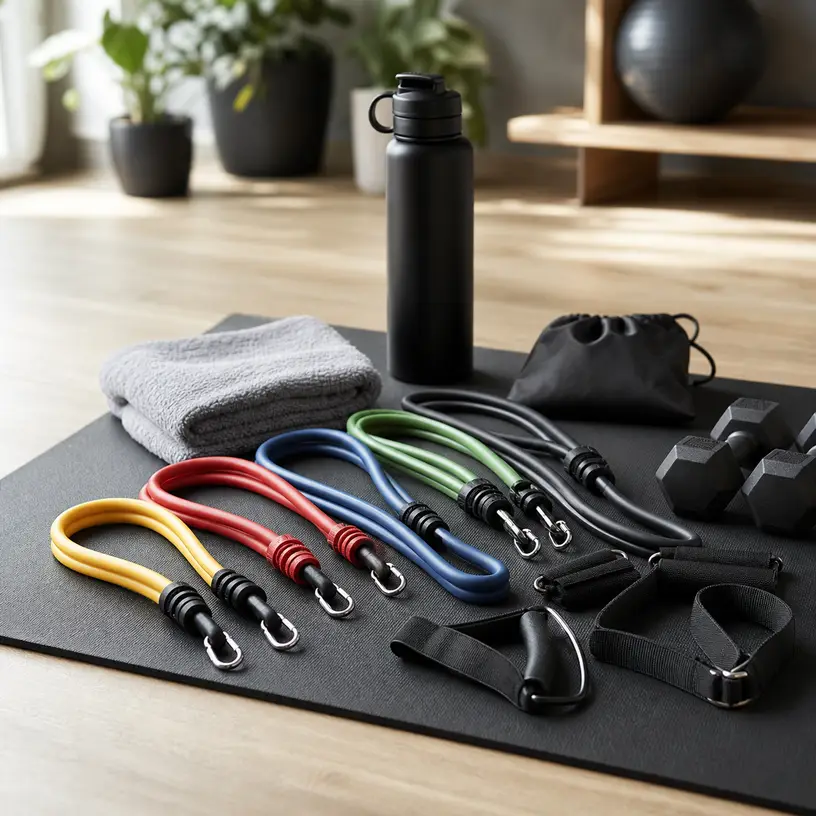
Illustrative image for a resistance bands set buying guide

Illustrative image, not an official product photo.

Short answer

Resistance bands sets are useful for home workouts, warmups, stretching, travel fitness, and strength accessories when space is limited. Compare band style, resistance levels, length, handles, anchors, material wording, care instructions, and the movements you plan to do before choosing a set.

Search reference

Resistance bands set options

Compare current options and verify details on the retailer page before buying.

View matching options

What this product type is

A resistance bands set includes elastic bands used for strength training, mobility work, stretching, warmups, and assisted bodyweight movements. Sets may include loop bands, tube bands with handles, long pull-up bands, mini bands, door anchors, ankle straps, or carrying bags. Buyers usually compare resistance range, band length, included accessories, storage, care instructions, and workout compatibility.
This guide treats the seed listing as a category signal only. Compare current matching options and verify details on the retailer page before buying.

Who this is for

  • Home workout users who want compact strength equipment.
  • Travelers who need packable exercise gear.
  • People adding warmup or mobility tools to a gym bag.
  • Buyers comparing simple fitness accessories before larger equipment.

Who should skip it

  • Skip bands if you need heavy fixed-weight loading for every exercise.
  • Compare dumbbells or cable machines if precise resistance tracking matters most.
  • Avoid door-anchor setups if your door and frame cannot be verified as suitable.

What to verify before buying

  • Check band style, length, resistance levels, and whether resistance is clearly labeled.
  • Verify included accessories such as handles, anchors, ankle straps, bags, or guides.
  • Review material wording, care instructions, and inspection guidance before use.
  • Confirm whether the set supports your planned exercises and available space.
  • Check door-anchor warnings, attachment instructions, and safety wording.
  • Review return policy and seller information before buying.

Main buying notes

Band style changes the experience. Loop bands, tube bands, pull-up bands, and mini bands are not interchangeable for every movement.
Resistance levels should match the exercises you plan to do. Lighter bands may work for warmups, while stronger bands may suit assisted pull-ups or lower-body movements.
Attachments need caution. Handles, clips, and door anchors should be checked before each use according to the current instructions.
Storage and care matter because stretched elastic can wear over time.

Limitations

  • Resistance changes as the band stretches, so tracking load is less exact than weights.
  • Bands can wear, nick, or lose elasticity over time.
  • Door anchors require a suitable door and careful setup.
  • Some exercises may feel awkward without stable anchor points.

Alternatives to compare

  • Dumbbells for more consistent fixed-weight resistance.
  • Adjustable kettlebells for compact strength training.
  • Suspension trainers for bodyweight movements with straps.
  • Cable machines or gym equipment for more controlled resistance paths.

FAQ

What should I verify before buying a resistance bands set?

Verify band style, resistance levels, length, included accessories, material wording, care instructions, and safety guidance.

Are resistance bands good for home workouts?

They can be useful for compact home workouts, but exercise choice and band resistance should match your goals.

What is the difference between loop bands and tube bands?

Loop bands are continuous bands, while tube bands often use handles or anchors. Compare the style that fits your exercises.

Can resistance bands replace weights?

They can supplement workouts, but they do not load movements the same way as dumbbells or machines.

How do I know when to replace resistance bands?

Check the current care guidance and replace bands if you notice cracks, tears, weak spots, or major loss of elasticity.

Foam Rollers: Who They Fit and What to Check Before Buying

Product links are for reference. Verify current details on the retailer page before buying.

Illustrative image for a foam roller buying guide

Illustrative image, not an official product photo.

Short answer

Foam rollers are simple fitness accessories for stretching routines, mobility work, and post-workout cooldowns. Compare length, diameter, density, surface texture, storage space, and your comfort level before buying.

Search reference

Foam roller options

Compare current options and verify details on the retailer page before buying.

View matching options

What this product type is

A foam roller is a cylindrical exercise accessory used in stretching, warmup, cooldown, and general mobility routines. Buyers usually compare length, firmness, surface pattern, portability, and whether the roller fits their space and routine.

This guide treats the seed listing as a category signal only. Compare current matching options and verify details on the retailer page before buying.

Who this is for

  • Home fitness users building a basic recovery or stretching setup.
  • People who want a simple accessory for warmups and cooldowns.
  • Gym users who prefer having their own roller.
  • Buyers comparing compact fitness gear that is easy to store.

Who should skip it

  • Skip it if pressure-based rolling is uncomfortable or not recommended for your situation.
  • Ask a qualified professional before using one for injury, pain, or medical concerns.
  • Compare softer stretching tools if firm pressure feels too intense.

What to verify before buying

  • Check length, diameter, and storage space.
  • Verify density wording and whether the roller is smooth or textured.
  • Compare material notes, weight capacity wording, and cleaning guidance.
  • Check whether the size suits back, leg, arm, or travel use.
  • Review exercise guidance carefully and avoid unsupported health claims.
  • Review seller information and return policy before buying.

Main buying notes

Length changes how the roller feels in use. Longer rollers can support wider positions, while shorter rollers are easier to store and carry.

Density affects comfort. A firmer roller can feel more intense, while a softer design may be easier for beginners.

Texture is a personal choice. Smooth rollers feel more even, while raised patterns can feel more focused.

Storage matters because foam rollers are bulky compared with resistance bands or small hand tools.

Limitations

  • A foam roller is not a medical treatment device.
  • Pressure may feel uncomfortable, especially with firm or textured models.
  • Size, density, and surface feel can be hard to judge from photos alone.
  • Some routines require guidance, especially after injury or persistent pain.

Alternatives to compare

  • Stretching straps for range-of-motion routines.
  • Massage balls for smaller target areas.
  • Yoga blocks for supported stretching.
  • Resistance bands for warmups and mobility drills.

FAQ

What length foam roller should I compare?

Compare length against your intended exercises, storage space, and whether you want a compact or full-width roller.

Is a firm foam roller better?

Not always. Firmness is about comfort and tolerance, so compare density wording and start conservatively if you are unsure.

Should I choose smooth or textured foam?

Smooth rollers feel more even, while textured rollers can feel more focused. Choose based on comfort and intended use.

Can a foam roller help with pain?

Do not rely on a foam roller as medical care. Ask a qualified professional for pain, injury, or medical concerns.

What should I verify before buying?

Verify length, diameter, density, texture, material notes, cleaning guidance, storage fit, and return policy.

adidas World Cup League Size 4 Soccer Ball: Who It Fits and What to Check Before Buying

Product links are for reference. Verify current details on the retailer page before buying.

Illustrative soccer ball image for a buying guide

Illustrative image, not an official product photo.

Short answer

The adidas World Cup League Size 4 soccer ball is worth considering if you want a branded size 4 ball for casual play, practice sessions, or a simple soccer gift.

The main thing to check is size. The visible product information identifies this version as size 4, so buyers who need a different size should confirm the selected variation before ordering.

Search reference

Size 4 soccer ball options

Compare current options and verify details on the retailer page before buying.

View matching options

What this product is

This is an adidas soccer ball listed as the adidas Unisex-Adult World Cup League Soccer Ball.

Visible product information from the linked page shows:

  • Brand: adidas
  • Product type: soccer ball
  • Size: 4
  • Color: White / Team Royal Blue / Solar Blue / Power Red
  • Listed audience: unisex adult

The visible page information does not confirm the ball material, packaging details, inflation status, or exact construction. Check those details on the retailer page before buying.

Who this is for

This soccer ball may fit buyers who:

  • want a recognizable sports brand
  • are specifically looking for a size 4 soccer ball
  • need a ball for casual play or practice
  • want a simple soccer-related gift
  • prefer a bright, tournament-inspired color design

It is also a reasonable option to compare against other size 4 soccer balls if your main buying factors are brand, appearance, and basic use.

Who should skip it

Skip or compare more options if:

  • you need a different ball size
  • your league or coach requires a specific size or certification
  • you need confirmed material details before buying
  • you want a ball with clearly stated construction, surface material, or bladder type
  • you are buying for heavy daily use and need stronger durability information

The visible information from the link is not enough to judge long-term durability. Do not assume it is suitable for every surface or training routine without checking the retailer page or product packaging.

What to verify before buying

Before buying, verify these details on the product page:

  • Confirm that the selected variation is size 4
  • Check whether the ball arrives inflated or requires inflation
  • Check the material and construction details
  • Check whether the product is intended for casual play, training, or match use
  • Confirm return policy and delivery timing
  • Make sure the color and size variation match what you want
  • If buying for a team, school, or league, confirm the required ball size first

Main buying notes

The main appeal here is simple: it is an adidas-branded soccer ball in a size 4 option with a bright football-style color design.

That makes the decision fairly straightforward. The most important questions are whether size 4 is correct, whether the visible product details are enough for your needs, and whether the ball fits the type of play you have in mind.

If you only need a casual soccer ball and size 4 is correct, this can be a simple option to consider. If you need confirmed technical details, compare it with listings that clearly state material, construction, and intended use.

Limitations

  • The visible product information does not confirm the material.
  • The visible product information does not confirm whether the ball arrives inflated.
  • The visible product information does not confirm match certification.
  • The visible product information is not enough to judge long-term durability.
  • Buyers should verify the selected size and variation before ordering.

Alternatives to compare

Before deciding, compare it with:

  • other size 4 soccer balls from major sports brands
  • training soccer balls with clearly listed material details
  • match-style balls with more complete specifications
  • size 5 soccer balls if the buyer or league requires a larger ball
  • lower-cost practice balls if brand is not important

The right choice depends less on the logo and more on whether the size and construction match the actual use.

FAQ

Is this a size 4 soccer ball?

The visible product information shows this version as size 4. Still, check the selected variation on the retailer page before buying.

Is this good for adult players?

The listing text includes unisex adult, but the visible size is size 4. Buyers should confirm whether size 4 is appropriate for their intended player, league, or training use.

Does the product page confirm the material?

The information available from the link does not clearly confirm the material. Check the retailer page before buying if material matters to you.

Is it suitable for official matches?

Do not assume that. If you need a ball for official match use, verify the size, certification, and league requirements before buying.

What is the main thing to check before buying?

The most important thing is size. Confirm that size 4 is the correct choice for the player or use case.

CAP Barbell High Density Yoga Mat: Who It Fits and What to Check Before Buying

Product links are for reference. Verify current details on the retailer page before buying.

Illustrative exercise yoga mat image for a buying guide

Illustrative image, not an official product photo.

Short answer

The CAP Barbell high density yoga mat is worth considering if you want a thick exercise mat for stretching, floor work, and general home fitness. Before buying, verify the current selected size, thickness, surface texture, cleaning instructions, and whether it suits your exercise style.

Search reference

High density yoga mat options

Compare current options and verify details on the retailer page before buying.

View matching options

What this product is

This is an exercise and yoga mat listing with high-density and extra-thick wording.

Visible product information references a 68-inch by 24-inch mat, a carrying strap, non-slip surface wording, and easy wipe-down care language.

This draft does not independently confirm grip under sweat, long-term compression, odor, latex content, or floor compatibility. Verify those details on the retailer page before buying.

Who this is for

This exercise yoga mat may fit:

  • people who want a cushioned mat for stretching, basic yoga, mobility work, or floor exercises
  • home-fitness users who prefer a thicker mat over a thin travel mat
  • buyers who want a carry strap for moving the mat between rooms or to a gym
  • users who can verify size and grip needs before buying

Who should skip it

Skip or compare more options if:

  • you need a very thin mat for balance-heavy yoga practice
  • you need a premium studio mat with verified grip under heavy sweat
  • you are taller than the listed length comfortably supports
  • you require verified material details for allergy or odor concerns

What to verify before buying

  • Confirm the current selected length, width, thickness, and color.
  • Check surface texture and whether the mat is intended for your exercise style.
  • Verify cleaning instructions, material wording, and any allergy-related details.
  • Check whether the strap is included with the selected option.
  • Review seller information, return policy, and delivery timing before buying.

Main buying notes

The main appeal is cushioning. A thicker mat can feel better for knees, hips, elbows, and floor exercises, but it may feel less stable for poses that need firm ground contact.

If you mostly do stretching, core work, or casual home workouts, a thicker mat can be practical. If you practice fast transitions or balance-focused yoga, compare thinner mats with stronger grip claims.

The visible size wording is important. Measure your floor space and compare the length with your height and exercise positions before buying.

Limitations

  • Grip, odor, compression, and long-term wear cannot be confirmed from visible listing text alone.
  • A thick mat may be less stable for some balance-focused poses.
  • The listed length may not suit every body height or exercise position.
  • Material and allergy details should be verified on the current retailer page.

Alternatives to compare

  • a thinner yoga mat for balance and studio practice
  • a wider exercise mat for floor workouts with more movement
  • a folding gym mat for higher-impact floor exercises
  • a travel yoga mat if portability matters most
  • a cork or rubber mat if material preference is the deciding factor

FAQ

Is this a thick exercise mat?

Yes. The visible listing uses high-density and extra-thick wording. Verify the current thickness and selected option before buying.

Does it include a strap?

The visible listing references a carrying strap. Confirm that the strap is included with the current selected option.

Is it suitable for every yoga style?

Not necessarily. A thicker mat may feel comfortable for floor work but less stable for some balance-focused poses.

What size should I check?

Check the current listed length, width, and thickness against your height, floor space, and exercise style.

What should buyers check first?

Start with size, thickness, surface texture, material wording, cleaning instructions, and seller information.

RAYMYLO Soccer Edition Insulated Water Bottle: Who It Fits and What to Check Before Buying

Product links are for reference. Verify current details on the retailer page before buying.

Illustrative insulated water bottle image for a buying guide

Illustrative image, not an official product photo.

Short answer

The RAYMYLO soccer edition insulated water bottle is worth considering if you want a large sports-style bottle with insulated-bottle wording and fan-inspired design details. It is best treated as a hydration accessory to verify carefully, not as a substitute for checking current capacity, lid, care, and material details on the retailer page.

Search reference

Insulated sports water bottle options

Compare current options and verify details on the retailer page before buying.

View matching options

What this product is

This is a stainless steel insulated water bottle listing with soccer-event design language and sports hydration positioning.

Visible product information references a large bottle size, vacuum insulation, leak-resistant lid wording, BPA-free material wording, and handle-related accessories.

This draft does not independently confirm heat or cold retention, material grade, leak performance, dishwasher safety, or included accessories. Verify the current retailer page before buying.

Who this is for

This insulated water bottle may fit:

  • sports fans who want a themed bottle for game days, watch parties, or everyday carry
  • buyers comparing large insulated bottles for commuting, gym bags, sideline seating, or travel
  • people who prefer a bottle with handle or clip-style carrying details
  • users who can check lid type, capacity, and cleaning instructions before buying

Who should skip it

Skip or compare more options if:

  • you need a compact bottle for a small cup holder or lightweight daypack
  • you require verified dishwasher-safe care instructions and cannot confirm them
  • you do not want themed or fan-inspired design details
  • you need a bottle for children and have not verified age suitability, lid design, and weight

What to verify before buying

  • Confirm current capacity, dimensions, weight, and whether it fits your cup holder or bag pocket.
  • Check the exact lid set, straw or spout details, seals, and replacement-part availability.
  • Verify material wording, BPA-free claims, and cleaning instructions on the current page.
  • Check whether the exterior finish and handle details match the selected option.
  • Review seller information, return policy, and shipping timing before buying.

Main buying notes

The main appeal is combining a large insulated-bottle format with sporty visual styling. That can make sense for game days, gym trips, school sidelines, or long desk sessions.

Large bottles are convenient for fewer refills, but they can also be heavier, wider, and harder to clean. Before buying, compare the listed size with where you plan to carry it.

Lid design matters more than marketing language. Check whether the current option includes the drinking style you actually prefer.

Limitations

  • Temperature-retention wording should be verified against current product details and real use conditions.
  • Leak resistance cannot be guaranteed from listing text alone.
  • The themed design may not suit every buyer or setting.
  • A large bottle may be too heavy or wide for some bags, cup holders, or children.

Alternatives to compare

  • a smaller insulated bottle for lighter everyday carry
  • a wide-mouth bottle if easy cleaning is your main priority
  • a straw-lid bottle if one-handed sipping matters most
  • a plain stainless bottle if you do not want themed styling
  • a soft sports bottle if squeeze drinking and low weight matter more than insulation

FAQ

Is this an insulated water bottle?

Yes. The visible listing describes an insulated stainless steel water bottle. Verify the current insulation and care details before buying.

Is it mainly for sports fans?

The visible design language is soccer-event themed, so it may appeal to sports fans. Check the selected design before buying.

Should I check the lid before buying?

Yes. Confirm the current lid type, seal design, straw or spout details, and cleaning instructions on the retailer page.

Will it fit a cup holder?

Do not assume it will. Compare the current dimensions with your vehicle, backpack, or bottle holder before buying.

What should buyers check first?

Start with capacity, dimensions, lid type, material wording, cleaning instructions, and seller information.